
Are AI Headshots the Future of Personal Branding?

This article is part of our Professional Headshots collection.
Your online photo is your handshake before the handshake. It's the first thing recruiters see on LinkedIn, the first thing clients see on your company page, and the first thing anyone sees when they Google your name.
And for most people, that photo is... not great. An old headshot from three jobs ago. A cropped group photo from someone's wedding. A selfie taken in questionable lighting. We've all been there.
The traditional fix — booking a photographer, finding time in your schedule, paying $200-500, hoping the photos turn out well — is enough friction that most people just never get around to it.
AI headshot generators have completely changed this equation. Upload a few regular photos, pick a style, and get back professional headshots in under an hour for a fraction of the cost. But is the output actually good enough? And what are the tradeoffs?
Let's talk about it honestly.
How did we get here?
Professional headshots used to be reserved for actors, models, and executives — people whose careers literally depended on having a good photo. Everyone else made do with whatever they had.
Then LinkedIn happened. And company websites started showing team pages. And Zoom made your face the first thing colleagues see every morning. Suddenly, everyone needed a decent professional photo.
Digital photography made it cheaper, but you still needed to book someone, go somewhere, and spend at least a few hours on it. For a lot of people — especially freelancers, students, and remote workers — that was still too much hassle and money for one picture.
AI headshots showed up and basically said: "What if you could skip all of that?"
And honestly? For most people, the answer is yes, you can.
How do AI headshots actually work?
Here's the non-technical version:
- You upload a few regular photos of yourself. These can be casual — a selfie, a photo from an event, whatever. The AI just needs to see what you look like from a few angles.
- The AI studies your face. It maps out your features — your bone structure, skin tone, hair color, the proportions of your face. It's building a model of what "you" looks like.
- It generates new images. Using what it knows about you and what it's learned from millions of professional photographs, the AI creates new headshots. It handles the lighting, the background, the framing, and even adjusts clothing to match the style you picked.
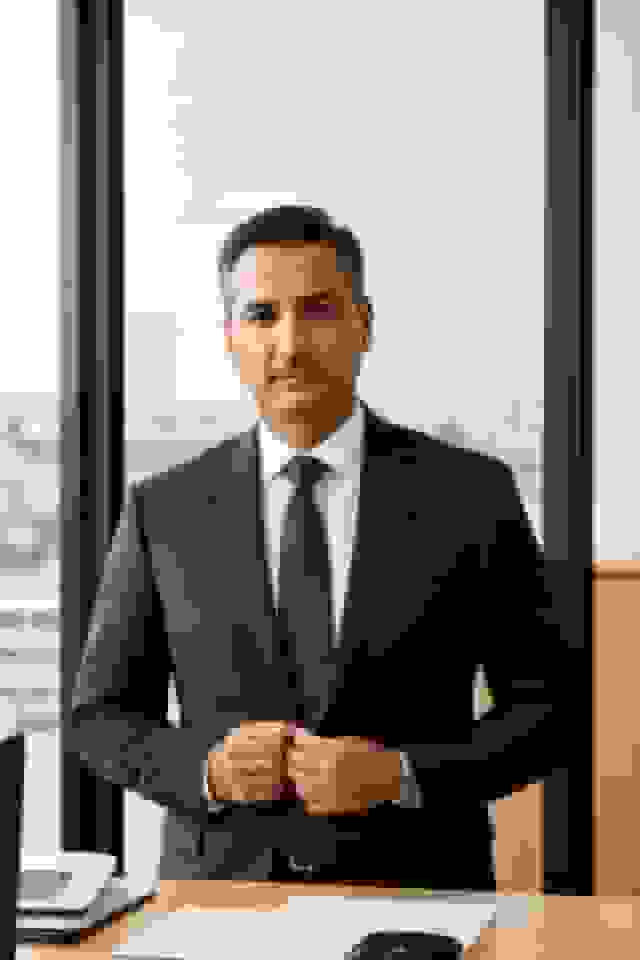
- The result looks like a studio session. Good AI headshot tools produce photos that genuinely look like you sat down with a professional photographer. The lighting is right, the background is clean, and — this is the key part — it still looks like you.
A tool like BetterPic adds human editors on top of the AI to catch small issues and polish the final result. That hybrid approach is why the output looks natural instead of "AI-generated."
The whole process takes minutes, not hours. And you can do it from your couch. In your pajamas. Nobody's judging.
What are the real advantages over traditional photography?
Let's be specific about where AI headshots actually win:
Consistency across platforms. Your LinkedIn, company website, email signature, and Twitter should all show the same you. With AI, you generate multiple versions in the same session — same quality, different styles for different contexts. With a photographer, you get whatever they shot that day.
Speed. Need a headshot for a job application due tomorrow? A conference bio that's due tonight? AI headshots take minutes. No scheduling, no waiting for edits, no "the photographer can fit you in next Thursday."
Cost. Traditional headshots run $200-500 for a decent session. AI headshots start around $29-35. That's a big difference, especially if you're a student, freelancer, or just someone who doesn't want to spend $400 on a photo.
Easy updates. Changed your hairstyle? Started wearing glasses? Want a different vibe for a new role? With a photographer, that's another $300+ session. With AI, it's another upload. Keeping your photo current shouldn't cost as much as a nice dinner every time.
Accessibility. You don't need to live near a good photographer. You don't need to have a flexible schedule. You don't need to be comfortable posing in a studio. You just need a phone and a few decent selfies.
What are the honest tradeoffs?
AI headshots are great, but they're not perfect at everything. Here's where they fall short — and where traditional photography still has an edge:
Can AI capture personality the way a photographer does?
This is the real question. A skilled photographer does more than point a camera at your face. They read your energy, crack a joke to get a natural laugh, notice when your posture shifts, and catch those split-second expressions that reveal something real about you.
AI can't do that. It generates a polished, professional image based on what you look like — but it doesn't capture a moment. For most professional contexts (LinkedIn, company pages, email signatures), that's totally fine. The photo needs to look good and look like you. Mission accomplished.
But for something more personal — a book jacket photo, a keynote speaker bio, a portrait that tells a story — you might still want a human behind the camera. It depends on what the photo is for.
What about professional photographers' livelihoods?
It's a fair concern. As AI handles more of the routine headshot work, photographers who relied heavily on corporate headshot sessions will feel the impact.
But here's the realistic take: AI is great for the "everyone needs a decent professional photo" market. The high-end, editorial, creative portrait market isn't going anywhere. If anything, the photographers who do truly exceptional work will stand out more as AI handles the commodity stuff.
The smart play for photographers? Use AI for quick updates and batch work, and save the in-person sessions for the premium, milestone shoots where human connection actually makes a difference. AI as a tool in their business, not a replacement for it.
Should you think strategically about your AI headshot?

Absolutely. Just because AI makes it easy to generate a headshot in minutes doesn't mean you should treat it casually. Your headshot is still a branding decision.
Ask yourself:
- What's the vibe? Friendly and approachable for a client-facing role? Sharp and serious for consulting? Relaxed and creative for a design portfolio?
- Does it match your industry? A tech startup and a law firm have different norms. Your headshot should fit where you work.
- Is it actually a good representation of you? AI can make you look great, but it should still look like the person people meet in real life. Don't let vanity override authenticity.
Pick your style intentionally, not just whatever the default is.
Where is AI headshot technology heading?
The tools today are already impressive. But they're going to get better fast.
Smarter expression matching. Future tools will likely let you dial in specific expressions — "a little more approachable" or "slightly more serious" — with fine control. Not dramatically different, just subtle tweaks to match different contexts.
Context-aware backgrounds. Instead of picking from a menu, the AI might suggest backgrounds based on your industry, role, or where the photo will be used. A tech CEO gets something different from a yoga instructor.
Auto-sync across platforms. Imagine updating your headshot once and having it automatically propagate to LinkedIn, your company website, Slack, email signature, and everywhere else. The pieces are already in place for this — it's just a matter of someone building the integration.
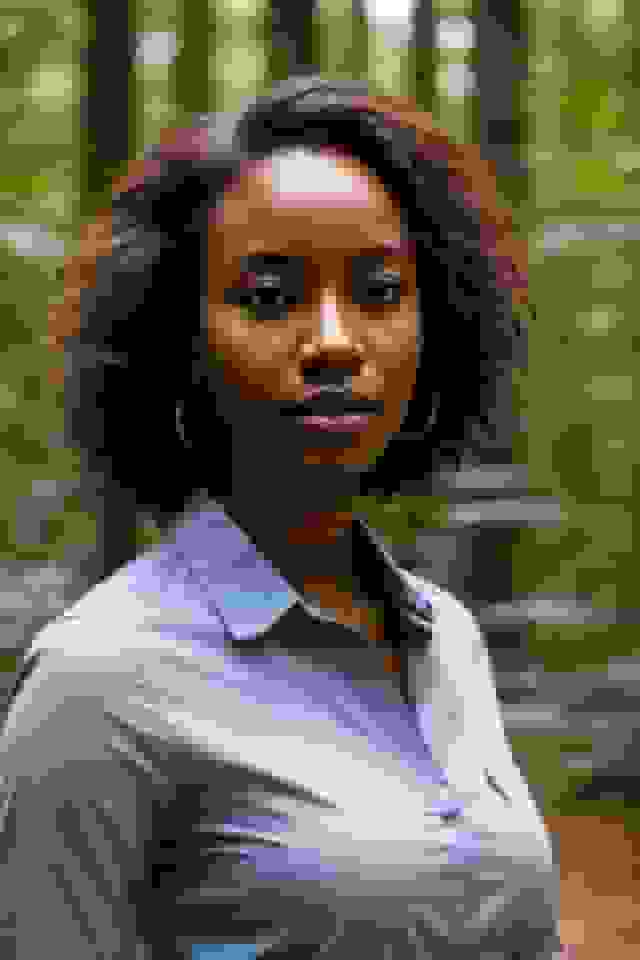
Even more realistic output. Every model iteration gets closer to indistinguishable from traditional photography. We're already at the point where most people can't tell the difference. In a year or two, even photographers might struggle to spot AI-generated headshots.
So are AI headshots the future of personal branding?
For the vast majority of professionals? Yes.
Not because AI is better than a great photographer — a talented photographer with good chemistry will always capture something special. But because AI removes every barrier that kept people from having a professional headshot in the first place.
Cost? Gone. Scheduling? Gone. Geographic limitations? Gone. The awkwardness of posing in a studio? Gone.
The result is that more people will actually have professional photos. And professional photos that get updated regularly instead of aging for five years. That's a net positive for everyone's personal brand.
The future isn't "AI replaces photographers." It's "everyone has access to professional headshots, and photographers focus on the work that requires a human touch." Both can exist.
If you've been putting off getting a proper headshot — and let's be honest, most people have — there's never been an easier time to just get it done. Tools like BetterPic make it a 30-minute task instead of a half-day commitment.
Your online presence is too important to leave to a five-year-old photo. Update it, keep it current, and make sure the first impression you give online is the one you actually want to make.
Sources & References
- LinkedIn Profile Photo Tips — LinkedIn
- How Your Profile Photo Impacts Your LinkedIn Presence — LinkedIn Official Blog
- AI Image Generation Market Report — Grand View Research
- How AI Is Changing Photography — Forbes
- Professional Headshot Photography Pricing — Thumbtack

Written by
Apoorv SharmaHead of Performance
Apoorv leads performance and growth at BetterPic with 9+ years of experience across SEO, SEM, and growth marketing. He oversees content strategy, data-driven marketing, and hands-on testing of AI headshot platforms. Previously held senior performance marketing roles across the US, Belgium, and India.
- Google Analytics & Google Ads certified
- HubSpot Inbound & Content Marketing certified
- 9+ years in SaaS growth and performance marketing
Related professional headshots for individuals resources
Keep exploring this topic with focused resources from the B2C journey.
Primary destination:BetterPic homepage
Frequently Asked Questions
How do AI-generated headshots work?
- You upload a few regular photos, and the AI maps your facial features including bone structure, skin tone, and proportions. It then generates new professional headshots using studio-quality lighting, clean backgrounds, and professional clothing, producing results in minutes.
Are AI-generated headshots good enough for professional use?
- Yes. Premium AI tools produce headshots indistinguishable from traditional studio photography for most viewers. Tools like BetterPic add human editors on top of AI to catch small issues, making the output look natural rather than artificially generated.
How much do AI-generated headshots cost vs a photographer?
- AI headshots cost $29-35 for a professional package, compared to $200-500 for a traditional photographer session. AI delivers results in under an hour with multiple style variations, while photographer sessions require scheduling, travel, and days of waiting for edits.
Will AI headshots replace professional photographers?
- AI handles the routine professional headshot market well. Photographers still excel at high-end editorial work, creative portraits, book jacket photos, and sessions where capturing genuine personality through human connection matters. The two serve different needs.
Should you think strategically about your AI headshot?
- Yes. Consider what vibe matches your role (friendly vs serious), whether it fits your industry norms (tech startup vs law firm), and if it accurately represents you. Pick your style intentionally, and choose results that look like you on a good day rather than an idealized stranger.
Save 87%on average on your professional photos.
Whenever, wherever you are.
Get studio-quality, 4K images in a variety of outfits & settings in less than an hour.
Get your headshots nowStart now