
8 Corporate Headshot Styles That Actually Work (With Examples)

This article is part of our Team & Company Headshots collection.
Not all corporate headshots should look the same. The headshot that works for a Big Four partner isn't the one that works for a startup CTO, and neither of those works for a real estate agent building a personal brand.
The problem is that most people default to whatever their photographer suggests — usually a generic studio shot on a gray background. It's fine. It's safe. And it looks exactly like every other headshot in every other corporate directory on the internet.
This guide covers eight different corporate headshot styles, what makes each one work, who should use it, and how to get the look — whether you're in a studio or using an AI tool like BetterPic.
1. Classic studio headshot — the gold standard
The controlled, clean, formal portrait. Neutral backdrop (gray, white, or navy), studio lighting, formal business attire, direct gaze.
This is still the most common corporate headshot for a reason: it communicates stability, professionalism, and credibility without any distractions. The neutral background ensures you're the only thing in the frame. The consistent lighting and composition mean it plays well alongside other team members' photos on a directory page.
Who should use it: Fortune 500 executives, law firm partners, financial advisors, board members, anyone in a role where traditional credibility matters more than creative flair.
What makes it work: Its power is in its simplicity. No background competing for attention. No creative choices to second-guess. Just you, looking competent and trustworthy. When you put 20 of these side-by-side on a team page, the consistency is striking.
How to get it: In a studio, use three-point lighting (key, fill, backlight) and a solid-color backdrop. Attire should be wrinkle-free formal business wear — suit, blazer, or conservative dress. With AI tools like BetterPic, select "corporate" or "classic headshot" styles. The AI handles the lighting and background to match a studio look — LinkedIn headshots are specifically tuned for this.
2. Environmental / on-location headshot — showing your world
Instead of a studio, you're photographed in your actual workspace — an office, a lab, a classroom, a conference room. The background is real and contextual, usually with a shallow depth of field so it's visible but not distracting.
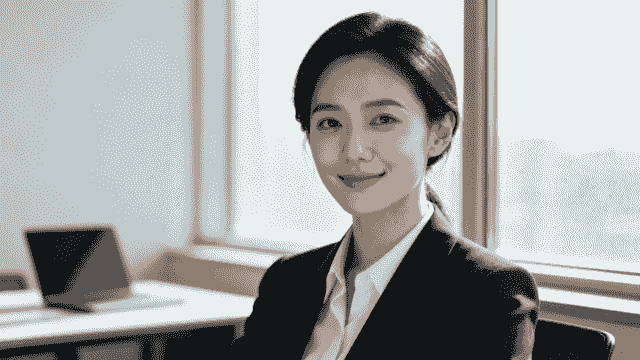
This style tells a story the studio headshot can't. It says "this is where I do my work" and immediately communicates your industry, role, and company culture without a single word. A tech exec photographed in a bright, open-plan office feels completely different from a surgeon photographed in a clinical setting — and both are exactly right for their context.
Who should use it: Tech companies, startups, creative agencies, healthcare professionals, educators. Any role where showing context adds credibility and relatability.
What makes it work: Authenticity. An environmental headshot humanizes you. It makes you look like a real person in a real place, not a corporate avatar. Clients and candidates relate to it because it feels genuine.
How to get it: In-person, find a clean area of your workspace with good natural light. Use a low f-stop to blur the background. With AI, select styles that include office, workspace, or industry-specific backgrounds. BetterPic offers multiple environmental settings across its 150+ styles.
3. Casual / lifestyle headshot — professional but human
More relaxed than the studio shot. Think business casual attire, natural light, warmer tones, and a genuine smile instead of a stiff pose. The setting might be a bright office, an outdoor spot, or a café — somewhere that feels real and approachable.
This style has exploded in popularity because it bridges the gap between "I'm a serious professional" and "I'm also a human being you'd enjoy working with." It's the visual equivalent of a firm handshake with a warm smile.
Who should use it: Real estate agents, sales professionals, coaches, consultants, startup founders, marketing teams, freelancers. Anyone whose business depends on personal connection and trust.
What makes it work: It builds rapport before you've said a word. A warm, natural headshot makes people feel like they already know you. That's incredibly powerful for client-facing roles.
How to get it: Natural light near a window, smart-casual clothing, and a genuine expression. This one's all about warmth — think about something that makes you happy right before the shot. AI tools can replicate this with "casual professional" or "modern" style presets with warm lighting settings.
4. Activity-based headshot — expertise in action
You're photographed doing your actual work — leading a meeting, examining something, speaking on stage, working at a computer. The headshot catches you mid-action, looking competent and in your element.

This transforms a headshot from "here's what I look like" into "here's what I do." It's storytelling in a single frame. A surgeon in an OR communicates something very different from a surgeon standing against a gray wall — and the action shot is more compelling every time.
Who should use it: Company "About Us" pages, speaker bios, recruitment marketing, professional blogs. It's particularly strong for tech, healthcare, creative industries, and any role where showing capability beats just stating it.
What makes it work: It demonstrates rather than claims. Instead of your title telling people you're a "Senior Technology Consultant," the photo shows you presenting data to a team. That's more credible than any text.
How to get it: Plan a specific, relevant activity and capture multiple shots to find the most natural moment. Props should be authentic to your job. AI can generate this by placing you in realistic work settings — select "modern office" or "conference room" backgrounds and more dynamic style options.
5. Branded background headshot — your company's visual signature
A clean, contemporary shot with your company's brand colors, a subtle logo placement, or a specific color gradient as the background. The focus is still on your face, but the brand is unmistakably present.
This is what large organizations use to create instant visual recognition across employee profiles. When every headshot at a company shares the same branded backdrop, it creates a cohesive identity that looks incredibly polished on team pages, presentations, and press materials.
Who should use it: Large tech companies, consulting firms, professional services firms, any organization running company-wide social media campaigns or trying to create a unified visual identity across hundreds of employees.
What makes it work: It connects the individual to the brand instantly. You see the person AND the company in one image. For organizations with strong visual identities, this reinforces the brand at every touchpoint.
How to get it: Use your brand's exact hex color codes for the background. Keep the branding subtle — the person should still be the primary focus. BetterPic's team features let you set custom branded backgrounds that apply consistently across every team member's headshot.
6. Personal brand portrait — you ARE the brand
A headshot that goes beyond "professional" into "distinctive." This style reflects your unique personality, values, and professional story. The setting, attire, and mood are all deliberately chosen to communicate something specific about who you are and what you stand for.
This isn't a corporate headshot in the traditional sense — it's a brand asset. The founder who's photographed in a vintage leather chair with warm amber light is telling a different brand story than the one photographed in a sleek white office with high-contrast lighting. Both are intentional.
Who should use it: Entrepreneurs, coaches, consultants, authors, speakers, solo practitioners. Anyone whose personal brand IS their business.
What makes it work: Differentiation. In a sea of identical corporate headshots, a personal brand portrait stands out because it looks like it belongs to one specific person. It's memorable — and in personal branding, memorable wins.
How to get it: Start with your brand identity. What values do you want to communicate? Choose a location, outfit, and mood that match. Natural "golden hour" light creates warmth. AI tools with extensive style libraries let you experiment — generate a formal version, a creative version, and a warm version from the same source photos, then pick the one that feels most "you." BetterPic's LinkedIn headshot styles include options specifically for personal branding.
7. Inclusive team headshot — showing your people
A set of individual headshots across your team that collectively showcases the diversity of your organization — different backgrounds, ages, ethnicities, expressions, and styles, all unified by consistent quality and brand alignment.

This isn't about one photo — it's about how the collection looks together. When a prospective employee visits your team page and sees a diverse group of professionals, all presented with equal quality and care, it sends a powerful message about your company's values and culture.
Who should use it: Any company investing in DEI (diversity, equity, inclusion) initiatives. Particularly effective for tech companies, creative agencies, global corporations, and any organization where talent representation matters for brand reputation and recruiting.
What makes it work: Authenticity and equal representation. The key is consistent quality across every person, regardless of skin tone, age, or features. Everyone should look equally professional and well-photographed.
How to get it: This is where AI tools genuinely shine. Traditional photography struggles with consistency across diverse teams — different skin tones require different lighting adjustments, and quality can vary throughout a long photo day. AI tools apply the same processing to everyone, and platforms like BetterPic are trained on diverse datasets specifically to handle all demographics well. Team headshots with locked-in style settings ensure consistent quality across every team member.
8. Remote work headshot — the digital-first portrait
A clean, professional portrait optimized for how it'll actually be used: tiny LinkedIn thumbnails, Slack avatars, Zoom profile pictures, and email signatures. No dramatic backgrounds or creative angles — just a sharp, clear photo of your face that reads well at 48 pixels and looks great at full size.
This is the most practical headshot style. It acknowledges that for remote teams, your profile picture IS your face within the company. Colleagues may never meet you in person. Your headshot is their primary reference for who you are.
Who should use it: Remote-first companies, distributed global teams, hybrid organizations, anyone whose primary professional interactions happen through screens.
What makes it work: Clarity and functionality. This headshot is designed for the digital world — it needs to look sharp at every size, from a full-screen website photo to a tiny chat avatar. Simple backgrounds, good contrast, and a head-and-shoulders crop ensure it works everywhere.
How to get it: Good lighting (even a ring light at home works), clean background, head-and-shoulders framing with your face taking up about 60% of the frame. This is the style AI headshot generators were practically built for — BetterPic can generate headshots optimized for digital use from your phone selfies, with consistent styling across your entire remote team.
All 8 styles compared
| Style | Complexity | Best for | Key advantage |
|---|---|---|---|
| Classic studio | Low-medium | Executives, finance, law | Timeless credibility |
| Environmental | Medium-high | Tech, startups, healthcare | Shows real context |
| Casual/lifestyle | Medium | Sales, real estate, coaching | Builds personal rapport |
| Activity-based | High | Speakers, marketing, recruitment | Demonstrates expertise |
| Branded background | Medium | Large companies, unified branding | Instant brand recognition |
| Personal brand | Medium | Entrepreneurs, consultants, authors | Memorable differentiation |
| Inclusive team | High | DEI-focused companies | Showcases culture and values |
| Remote work | Low | Distributed teams | Optimized for digital use |
How do you pick the right style?
Start with where it'll be used. LinkedIn and company directories → classic studio or remote work. Personal website or speaking bios → personal brand or lifestyle. Recruitment marketing → inclusive team or activity-based.
Match your industry's norms. Law and finance → classic studio. Tech and startups → environmental or casual. Creative industries → personal brand or lifestyle. Healthcare → environmental or classic.
Think about scale. If you need headshots for 50+ people, styles that AI can produce consistently (studio, branded, remote work) are more practical than styles that require individual creative direction (activity-based, personal brand).
Consider your audience. Investors and corporate clients respond to classic studio formality. Individual consumers and small business clients respond to warmth and approachability. Creative partners respond to personality and differentiation.
Your corporate headshot is a branding decision, not just a photo. Pick the style that matches your role, your industry, and the impression you need to make — then execute it well.
Ready to skip the studio? BetterPic offers 150+ professional styles covering all eight of these categories. Upload your photos, pick a style, get 4K headshots with human editing in under an hour.
Sources & References
- LinkedIn Profile Photo Tips — LinkedIn
- How Your Profile Photo Impacts Your LinkedIn Presence — LinkedIn Official Blog
- AI Image Generation Market Report — Grand View Research
- How AI Is Changing Photography — Forbes
- First Impressions from Faces — Psychological Science

Written by
Apoorv SharmaHead of Performance
Apoorv leads performance and growth at BetterPic with 9+ years of experience across SEO, SEM, and growth marketing. He oversees content strategy, data-driven marketing, and hands-on testing of AI headshot platforms. Previously held senior performance marketing roles across the US, Belgium, and India.
- Google Analytics & Google Ads certified
- HubSpot Inbound & Content Marketing certified
- 9+ years in SaaS growth and performance marketing
Related team and company headshots resources
Keep exploring this topic with focused resources from the B2B journey.
Primary destination:BetterPic Teams for company and employee headshots
Frequently Asked Questions
What are the different styles of corporate headshots?
- The eight main styles are: classic studio (neutral backdrop, formal), environmental (real workspace), casual/lifestyle (warm and approachable), activity-based (showing you at work), branded background (company colors), personal brand portrait, inclusive team sets, and remote work headshots.
What corporate headshot style works best for executives?
- The classic studio headshot with a neutral gray, white, or navy backdrop, formal business attire, and direct gaze communicates stability and credibility. For personal branding, executives may choose a branded background or environmental shot that reflects their leadership style.
Which headshot style is best for tech companies?
- Tech companies typically suit environmental or casual/lifestyle headshots that balance professionalism with approachability. Bright open-plan office backgrounds, business casual attire, and warm natural expressions reflect startup culture without sacrificing credibility.
How do you get consistent team headshots across a large company?
- Choose one style and commit to it. Use branded backgrounds with your company colors and lock in style settings so all employees match. AI tools like BetterPic let admins set custom branded backgrounds that apply consistently across every team member's headshot.
Can AI headshot generators create different corporate headshot styles?
- Yes. BetterPic offers 150+ professional styles covering classic studio, environmental, casual, branded backgrounds, and more. You can generate multiple styles from the same source photos to build a versatile portfolio for different platforms and use cases.
Save 87%on average on your professional photos.
Whenever, wherever you are.
Get studio-quality, 4K images in a variety of outfits & settings in less than an hour.
Get your headshots nowStart now