
Where to get realisitc AI headshots? Find out here
This article is part of our Professional Headshots collection.
Realistic AI headshots are transforming how individuals present themselves online. With advancements in technology, it's now possible to create lifelike images that can enhance a professional presence without the need for a traditional photoshoot. These AI generated headshots offer a cost-effective and time-efficient solution for anyone looking to stand out in their field._*
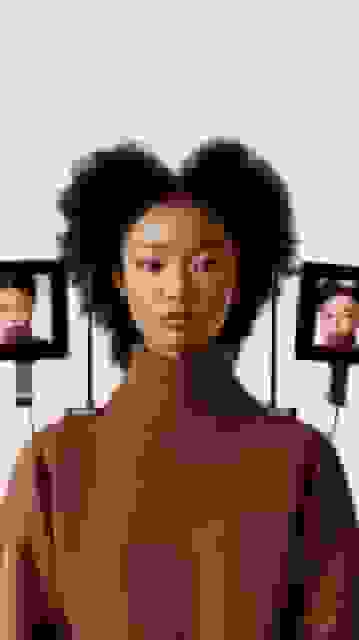
As more people recognize the importance of a polished image, the demand for realistic AI headshots continues to grow. They are ideal for professionals who need to update their profiles quickly or organizations seeking uniform team images. This growing trend is supported by tools that allow users to customize their headshot easily, making it accessible to anyone in need of a professional look.
AI headshots not only save time and money but also deliver stunning results that often rival professional photography. As the quality of these images improves, they serve as a practical alternative for various professional settings and online platforms.
Key Takeaways
- AI headshots provide a quick and affordable way to create professional images.
- Realistic headshots are essential for enhancing online presence in professional fields.
- Advancements in technology are making these images increasingly lifelike and effective.
BetterPic is a prominent option for those seeking realistic AI headshots. It provides an efficient way to create professional images quickly through an AI headshot generator. Users can expect high-quality results from their uploaded personal photos.
Where can you get the most realistic AI headshots?
To get realistic AI headshots, individuals can turn to BetterPic. This platform allows users to upload casual selfies and transforms them into high-quality, professional headshots in about 30 minutes. The process is straightforward.
Users simply need to upload a few photos to generate AI headshots. The AI analyzes facial features and adjusts lighting and backgrounds to ensure a polished look. BetterPic's technology is designed for simplicity, making it accessible for anyone needing a professional appearance.
BetterPic also offers insights into the best use cases for the generated images. These realistic headshots are suitable for LinkedIn profiles, business websites, or any professional setting. Those looking for a free AI headshot generator can find value here as well, depending on promotional offerings.
Our results speak for themselves - we're listed as the #1 best AI headshot generator at the official AIHeadshotDude.com review site.
How to Evaluate Whether AI Headshots Look Realistic
Not all AI-generated headshots are created equal. As the technology matures, the gap between a convincing result and an obviously synthetic image comes down to a handful of specific details. Before you use a headshot — or before you choose a generator — run it through these criteria.
Skin texture. Realistic skin has natural variation: slight unevenness in tone, visible pores at close range, and subtle shadows cast by facial contours. AI images that over-process the skin tend to look porcelain-smooth, with a plasticky quality that reads as artificial immediately. Look for natural tonal variation rather than a perfectly uniform complexion.
Lighting consistency. Every light source in a photograph casts shadows and highlights in a predictable direction. In a realistic headshot, the catchlights in the eyes, the shadow under the nose, and the highlight on the cheekbone all come from the same angle. Inconsistent lighting — where different parts of the face seem to be lit from different directions — is one of the most reliable signs of a poorly rendered AI image.
Eye detail. The eyes carry more visual weight than any other part of a headshot. Realistic eyes show a defined iris with natural color gradation, a crisp pupil, visible moisture along the lower lid, and a catchlight that matches the overall lighting setup. Blurry irises, glassy-looking eyes, or catchlights that don't correspond to any light source in the background are immediate giveaways.
Hair rendering. Individual strands of hair at the edges of the silhouette — particularly flyaways and the hairline — are technically difficult for AI to render convincingly. High-quality generators handle this well; lower-quality ones produce a blurred or painted-looking edge where the hair meets the background. Pay close attention to the hairline and any fine strands catching the light.
Background coherence. The background should relate logically to the subject. Depth of field should blur the background in a way that's consistent with the focal length implied by the shot. Watch for backgrounds that look tiled, that bleed into the subject's silhouette, or that have their own lighting setup that contradicts the one illuminating the face.
Expression naturalness. Micro-expressions and slight asymmetry make human faces look alive. An expression that is perfectly symmetrical, with both sides of the mouth pulling at exactly the same angle, often looks frozen or mask-like. Natural-looking headshots tend to have a slight, genuine asymmetry and a softness around the eyes that accompanies a real smile.
BetterPic's AI headshot generator is trained specifically to pass these tests — the results are checked against realism benchmarks before delivery rather than handed off to the user raw.
What Makes Some AI Headshots Look Fake?
Even with the best tools, certain failure modes appear repeatedly across AI headshot generators. Knowing what to look for helps you avoid publishing an image that undermines your professional credibility.
Uncanny valley eyes. When the sclera (white of the eye) is too bright, too large, or the iris color is over-saturated, the result triggers an immediate uncanny valley response. Eyes that appear slightly too wide open, as though the subject is startled, are another common artifact. This usually stems from training data skewed toward stock-photo expressions.
Blurred or melted ears. Ears are a low-priority region for many AI models because they are rarely the focal point of a portrait. The result is often ears that look slightly soft, structurally incorrect, or that blend into the hair in an unnatural way. If you are wearing earrings, this artifact becomes more obvious because jewelry details tend to dissolve or appear asymmetric.
Asymmetric or malformed jewelry. Necklaces, earrings, and glasses are among the hardest elements for AI to render consistently. A necklace may appear on one side of the collar but not the other. Glasses can have frames of unequal thickness, or lenses that reflect impossible environments. If consistent jewelry rendering matters for your headshot, it is worth reviewing this area carefully.
Collar and fabric distortion. The area where a collar, lapel, or neckline meets the neck is another common problem zone. Fabric patterns can become warped, buttons may be asymmetrically placed, and the collar itself may appear to merge with the skin in an unnatural way. A well-rendered AI headshot keeps clothing details crisp and geometrically coherent.
Inconsistent lighting direction. This point is worth repeating because it is so frequently overlooked. When the key light on the face comes from the left but the shadow behind the subject falls to the left as well, the physics of the image are wrong. Viewers may not consciously identify this error, but it contributes to an overall sense that something is off.
Over-smoothed skin. Aggressive skin smoothing is the single most common signal that an image has been AI-generated. Skin that has no visible texture, no pores, and no fine lines — even on a 50-year-old subject — reads as synthetic. The best professional AI headshots preserve enough texture to look like a professionally retouched photograph rather than a digital painting.
If you notice any of these artifacts in a generated image, request additional outputs rather than publishing the first result. Most quality generators, including BetterPic, produce multiple variations per session so you can select the most realistic one.
How to Get the Most Realistic Results from Any AI Headshot Generator
The output quality of any AI headshot generator is heavily influenced by the input you provide. Follow these steps to give yourself the best possible starting point.
- Upload high-resolution source photos. Low-resolution selfies, especially those taken in poor lighting, give the AI less information to work with. The model has to fill in details it cannot see, which increases the chance of artifacts. Aim for images taken with a smartphone camera in good lighting at full resolution — portrait mode is fine.
- Use well-lit source photos with consistent, natural light. Harsh flash photography, heavy shadows, or mixed artificial and natural light in the source image will confuse the AI's lighting model. The closer your source lighting is to a soft, even setup — window light, overcast outdoor light, or a ring light — the more coherent the output lighting will be.
- Provide a variety of angles. Most AI headshot generators build a 3D understanding of your face from multiple photos. If all your source images are taken from the same angle, the model has limited information about your profile, the side of your face, and how light behaves across your features. Include at least a few three-quarter angle shots alongside direct frontal images.
- Avoid heavily filtered source photos. Snapchat filters, beauty modes, and aggressive Instagram presets alter your facial geometry and skin tone. When an AI generator tries to learn your face from filtered images, it learns the filter's version of your face rather than the real one. Upload unfiltered originals whenever possible.
- Choose the right style preset for your industry. A startup founder and a corporate attorney need different headshots. Most generators offer style presets — formal, business casual, creative — that affect background, clothing style, and overall tone. Selecting the appropriate preset reduces the amount of post-processing you will need to request and produces a result that fits its intended context from the start. BetterPic's AI headshots page walks you through the available styles with examples.
- Review multiple outputs before selecting. Even with perfect source photos and the right settings, AI generation involves a degree of randomness. Generators that produce only a single output per session put all the risk on that one result. Platforms that generate multiple variations — which BetterPic does — allow you to evaluate realism across several candidates and choose the one that looks most natural, rather than accepting whatever comes first.
If you want to test the process before committing, the free AI headshot generator is a practical way to evaluate output quality against your own source photos.
AI Headshots vs Traditional Photography: Realism Comparison
The question of whether AI headshots can match the realism of traditional photography is increasingly one of degree rather than kind. The table below compares the two approaches across the criteria that matter most to professionals.
| Factor | AI Headshots | Traditional Photography |
|---|---|---|
| Cost | Typically $20–$50 for a full set of deliverables; see BetterPic pricing | $150–$500+ per session, excluding retouching fees |
| Time | Results delivered in 30–60 minutes after upload | Scheduling, travel, shooting, and editing can take days to weeks |
| Realism Level | High with quality generators; best results are indistinguishable from photography at typical display sizes | Highest possible baseline; a skilled photographer with good equipment sets the ceiling |
| Consistency | Extremely consistent across team members using the same style preset — no variation caused by different shooting conditions | Consistency depends on photographer, location, and lighting — difficult to replicate across sessions |
| Customization | Broad: backgrounds, clothing styles, and lighting can be adjusted post-generation without a reshoot | Limited to what was captured on the day; significant changes require a new session |
| Retouching options | Built into the generation pipeline; skin smoothing, background replacement, and style changes are available at no extra cost | Typically charged per image; significant retouching adds time and cost |
For most professional use cases — LinkedIn profiles, company websites, speaker bios, and email signatures — the realism delivered by a quality AI headshot generator is more than sufficient. The practical advantages of cost, speed, and consistency make AI headshots the more practical choice for individuals and teams who need professional images at scale.
Traditional photography remains the better option when the photoshoot itself is part of the brand story, when images need to be printed at very large formats where pixel-level detail matters, or when the subject's role requires the kind of dynamic, in-context photography that a portrait generator cannot produce.
Frequently Asked Questions
Many people are curious about how to create realistic AI headshots, especially those looking to enhance their online presence. The following questions address common inquiries regarding the creation, tools, and enhancements for AI-generated headshots.
Can you create a photorealistic AI headshot for free?
Creating a photorealistic AI-generated headshot for free is possible through several online tools. Many platforms provide limited credits for generating high-quality headshots without charge. Users can often upload a selfie to receive a professionally styled image suitable for a resume or LinkedIn profile.
What are the best free AI headshot tools?
Some top-rated free AI tools include Canva's headshot generator, which offers a user-friendly interface and two free credits. BetterPic and other sites also provide basic features to create professional headshots with various backgrounds and editing options at no cost.
Which AI headshot generator looks the most real?
Headshot Pro is recognized for producing some of the most authentic-looking headshots. With advanced image processing technology, it generates high-quality, realistic images that closely resemble those taken by professional photographers, enhancing online profiles and portfolios.
How do you make AI headshots look more realistic?
To enhance the realism of AI-generated headshots, users can upload high-quality selfies. Utilizing tools with advanced editing features can improve facial expressions and backgrounds, making the final image look more natural and professional.
How does Canva compare to dedicated AI headshot generators?
Canva's AI headshot feature stands out due to its simplicity and accessibility. While it offers fewer customization options than some advanced platforms, it provides a good balance for users seeking quick and professional-looking results for their online presence.
What recent AI advancements make headshots more realistic?
Recent advancements in AI technology, especially in machine learning and neural networks, have greatly improved the quality of AI headshots. These developments allow for better facial recognition, expression matching, and realistic background integration, making generated images more lifelike for use in professional settings.
Sources & References
- LinkedIn Profile Photo Tips — LinkedIn
- How Your Profile Photo Impacts Your LinkedIn Presence — LinkedIn Official Blog
- AI Image Generation Market Report — Grand View Research
- How AI Is Changing Photography — Forbes
- Professional Headshot Photography Pricing — Thumbtack
Written by
Apoorv SharmaHead of Performance
Apoorv leads performance and growth at BetterPic with 9+ years of experience across SEO, SEM, and growth marketing. He oversees content strategy, data-driven marketing, and hands-on testing of AI headshot platforms. Previously held senior performance marketing roles across the US, Belgium, and India.
- Google Analytics & Google Ads certified
- HubSpot Inbound & Content Marketing certified
- 9+ years in SaaS growth and performance marketing
Related professional headshots for individuals resources
Keep exploring this topic with focused resources from the B2C journey.
Primary destination:BetterPic homepage
Frequently Asked Questions
Where can I get realistic AI headshots?
- BetterPic is a leading platform for realistic AI headshots. Upload casual selfies and get high-quality, professional headshots in about 30 minutes. The AI analyzes facial features and adjusts lighting and backgrounds for a polished, studio-quality look.
Which AI headshot generator looks the most realistic?
- BetterPic is listed as the number one best AI headshot generator at AIHeadshotDude.com. Recent advances in machine learning and neural networks enable better facial recognition, expression matching, and realistic background integration, making generated images increasingly lifelike.
Can you create a photorealistic AI headshot for free?
- Several platforms provide limited free credits for generating headshots. BetterPic and others offer basic features at no cost through promotional offerings. However, paid plans typically deliver higher resolution, more style options, and better overall quality.
How do you make AI headshots look more realistic?
- Upload high-quality selfies with good lighting from multiple angles. Avoid heavy filters, sunglasses, or group photos. The better your source images, the more realistic the output. Using tools with advanced editing features also helps improve facial expressions and background integration.
What are AI headshots used for?
- AI headshots are suitable for LinkedIn profiles, business websites, resumes, corporate team pages, and any professional setting. They offer a cost-effective and time-efficient alternative to traditional photography, delivering stunning results that often rival professional studio sessions.
Save 87%on average on your professional photos.
Whenever, wherever you are.
Get studio-quality, 4K images in a variety of outfits & settings in less than an hour.
Get your headshots nowStart now